
Will AI Replace Jobs? The Truth About AI, Automation, and the Future of Work (2026 Guide)

Artificial intelligence is transforming the way businesses operate, automate tasks, and make decisions. From customer service chatbots and AI writing assistants to self-checkout systems and predictive analytics, AI has become part of everyday work across nearly every industry. Naturally, this rapid adoption has sparked one important question: will ai replace jobs?
Table Of Content
- Quick Answer
- Key Takeaways
- Will AI Replace Jobs or Transform the Future of Work?
- Which Jobs Will AI Replace First?
- Industries Where AI Could Replace More Jobs
- Finance and Banking
- Healthcare
- Marketing and Advertising
- Manufacturing
- Logistics and Supply Chain
- How AI Is Replacing Jobs Across Different Industries
- Which Jobs Will AI Not Replace?
- Healthcare and Caregiving Professionals
- Skilled Trades
- Creative and Strategic Roles
- How to Prepare if AI Replaces More Jobs
- Real-World Examples Showing How AI Is Replacing Jobs
- Customer Support
- Software Development
- Healthcare
- Marketing
- Benefits of AI Even as It Replaces Certain Jobs
- Risks of AI Replacing Jobs Too Quickly
- Common Mistakes People Make About AI Replacing Jobs
- Expert Insights on Whether AI Will Replace Jobs
- FAQs About Will AI Replace Jobs
- 1. Will AI replace all jobs?
- 2. Which industries are most affected by AI?
- 3. Is AI creating new jobs?
- 4. Should students worry about AI replacing future careers?
- 5. How can employees stay competitive?
- 6. Can small businesses benefit from AI?
- Final Verdict: Will AI Replace Jobs in the Future?
The short answer is both yes and no. AI is expected to automate many repetitive and predictable tasks, reducing the need for certain roles while simultaneously creating entirely new career opportunities. History shows that technological revolutions rarely eliminate work altogether—they change the nature of work. Just as computers and the internet created millions of new jobs despite replacing others, artificial intelligence is likely to reshape employment rather than eliminate it.
For employees, freelancers, business owners, and students, understanding AI’s real impact is no longer optional. The people who adapt, develop new skills, and learn to work alongside AI will be better positioned for long-term career success. This guide explores which jobs face the highest automation risk, which industries will change the most, and how you can prepare for the future with confidence.
Quick Answer
Will AI replace jobs? Yes—but only certain types of jobs. AI is expected to automate repetitive, rule-based, and data-heavy tasks, while jobs requiring creativity, emotional intelligence, leadership, strategic thinking, and complex problem-solving are far less likely to disappear.
Rather than replacing every worker, AI will increasingly become a collaborative tool that enhances productivity. Professionals who learn to leverage AI effectively are likely to gain a competitive advantage, while those who ignore technological changes may face greater employment challenges.
Key Takeaways
- AI is more likely to automate tasks than entire professions.
- Repetitive and predictable jobs face the highest automation risk.
- Human creativity, empathy, leadership, and critical thinking remain difficult for AI to replicate.
- New AI-related careers are emerging across technology, healthcare, education, finance, marketing, and manufacturing.
- Upskilling and continuous learning are becoming essential career strategies.
- Businesses adopting AI still depend on human oversight, ethical decision-making, and innovation.
- The future workforce will increasingly combine human expertise with AI-powered tools.
Will AI Replace Jobs or Transform the Future of Work?
Artificial intelligence is often portrayed as a technology that will eventually replace millions of workers. While automation is certainly changing employment, this perspective oversimplifies what is actually happening. Most occupations consist of multiple tasks, and AI typically automates only a portion of those responsibilities rather than replacing an entire profession.
For example, accountants spend time organizing financial records, checking calculations, generating reports, meeting clients, interpreting financial regulations, and advising businesses. AI can automate bookkeeping and routine reporting, but it cannot fully replace professional judgment, regulatory expertise, or personalized financial advice. As a result, the role evolves instead of disappearing.

The same pattern exists across marketing, healthcare, education, engineering, and customer support. AI handles repetitive work such as scheduling appointments, analyzing large datasets, drafting content, or answering common customer questions. Humans continue to make strategic decisions, solve unusual problems, build relationships, and manage complex situations.
This shift creates opportunities for professionals who embrace AI rather than resist it. Employees who understand how AI tools work often complete projects faster, improve productivity, and deliver higher-quality results. Companies increasingly value individuals who can combine technical skills with creativity and communication.
Economic history supports this trend. The Industrial Revolution replaced manual labor with machines but created manufacturing, engineering, and logistics careers. Personal computers automated clerical work while generating millions of technology jobs. The internet disrupted traditional industries while opening opportunities in e-commerce, digital marketing, software development, cybersecurity, and online education.
Artificial intelligence represents another major technological transformation. While some positions may disappear, many existing roles will evolve, and entirely new careers will emerge around AI implementation, governance, ethics, security, training, maintenance, and human oversight.
The central question for workers is no longer whether AI exists—it is whether they are preparing to work effectively alongside it.
Which Jobs Will AI Replace First?
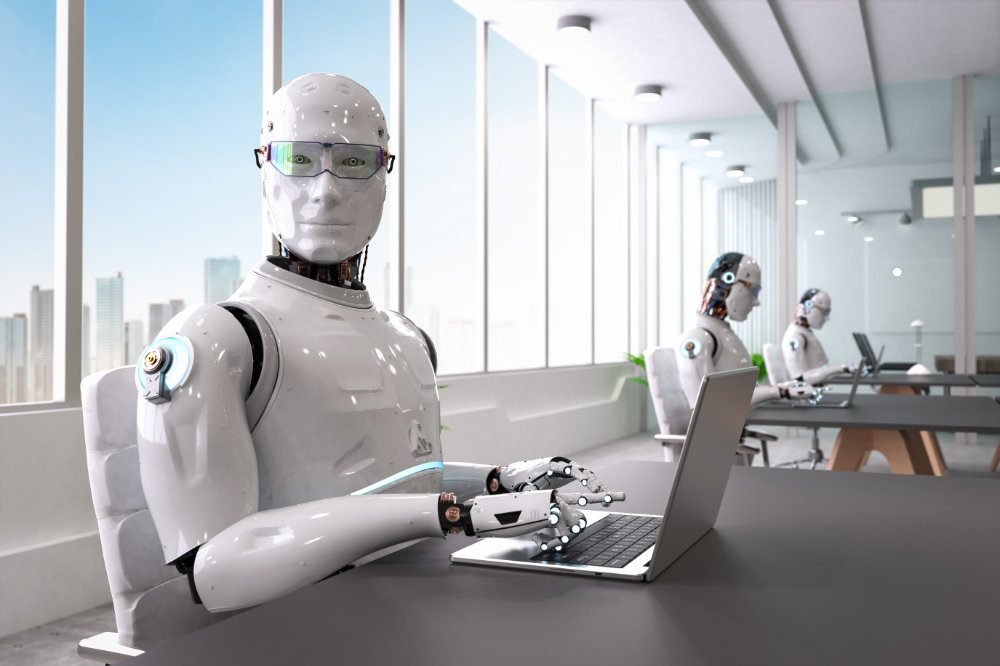
Not every occupation carries the same level of automation risk. AI performs exceptionally well when work follows consistent rules, relies heavily on structured data, or involves repetitive decision-making. Jobs with these characteristics are more vulnerable because machine learning systems can execute many of these tasks faster, more accurately, and at lower operational costs.
Routine administrative roles represent one of the most affected categories. Data entry specialists, document processors, appointment schedulers, payroll clerks, and basic bookkeeping assistants increasingly rely on AI-powered software that automates repetitive workflows with minimal human involvement.
Customer service has also changed significantly. AI chatbots and virtual assistants now answer frequently asked questions, process refunds, track orders, and resolve common support requests around the clock. Human representatives remain essential for handling complex complaints, emotional situations, and high-value customer relationships, but the overall demand for entry-level support roles may decline.
Manufacturing has experienced automation for decades, and AI is accelerating this trend. Intelligent robots can inspect products, identify defects, monitor equipment performance, and optimize production schedules with remarkable efficiency. Workers increasingly supervise automated systems instead of performing repetitive assembly-line tasks themselves.
Content production has also evolved. AI writing tools generate product descriptions, summaries, emails, social media captions, and first drafts within seconds. However, experienced writers, editors, journalists, and content strategists remain valuable because they contribute originality, research, storytelling, fact-checking, brand voice, and audience understanding that AI cannot consistently replicate.
Financial services are seeing similar changes. AI detects fraudulent transactions, analyzes spending patterns, evaluates loan applications, and prepares investment reports. Human financial professionals continue providing strategic advice, managing client relationships, interpreting economic conditions, and making complex business decisions.
Retail operations are also becoming more automated through self-checkout systems, inventory forecasting, demand prediction, warehouse robotics, and personalized shopping recommendations. Employees increasingly focus on customer experience, merchandising, and problem-solving rather than repetitive operational tasks.
As businesses evaluate automation opportunities, many people also wonder what jobs will ai replace in the coming decade. The answer depends less on job titles and more on whether the work primarily involves predictable, repetitive processes that algorithms can perform efficiently.
Industries Where AI Could Replace More Jobs
Although artificial intelligence is influencing nearly every sector, some industries are experiencing faster transformation than others due to the nature of their daily operations. Organizations that process large volumes of structured information or repetitive workflows are often the first to benefit from AI-powered automation.
Finance and Banking
Banks use AI to detect fraudulent transactions, assess credit risk, automate compliance reporting, monitor suspicious activities, and improve customer support. Financial analysts increasingly rely on AI to process enormous datasets quickly, allowing professionals to spend more time on strategic investment decisions rather than manual analysis.
Healthcare
Healthcare professionals use AI to analyze medical images, assist with disease diagnosis, predict patient outcomes, optimize hospital operations, and personalize treatment plans. Rather than replacing doctors, AI functions as a decision-support tool that enhances diagnostic accuracy and reduces administrative workload.
Marketing and Advertising
Digital marketers now use AI for keyword research, audience segmentation, campaign optimization, content generation, predictive analytics, and customer behavior analysis. Human marketers remain responsible for branding, creative direction, storytelling, emotional messaging, and long-term business strategy.
Manufacturing
Factories increasingly integrate AI-powered robotics, predictive maintenance systems, computer vision inspection, and automated quality control. Workers oversee intelligent production systems, troubleshoot technical issues, and improve manufacturing efficiency rather than performing repetitive physical tasks.
Logistics and Supply Chain
Transportation companies apply AI to optimize delivery routes, forecast demand, manage inventory, reduce fuel consumption, and improve warehouse operations. Human logistics professionals continue making strategic planning decisions, negotiating with suppliers, and responding to unexpected disruptions.
How AI Is Replacing Jobs Across Different Industries
| Job Category | AI Replacement Risk | Human Skills Still Needed |
|---|---|---|
| Data Entry | Very High | Quality control, exception handling |
| Customer Support | High | Empathy, conflict resolution |
| Manufacturing | High | Equipment management, supervision |
| Accounting | Moderate | Financial planning, consulting |
| Marketing | Moderate | Creativity, branding, storytelling |
| Healthcare | Low to Moderate | Diagnosis, empathy, patient care |
| Education | Low | Teaching, mentoring, motivation |
| Software Development | Moderate | Architecture, innovation, complex problem-solving |
| Legal Services | Moderate | Negotiation, legal judgment |
| Executive Leadership | Low | Vision, leadership, strategic decision-making |
Which Jobs Will AI Not Replace?
While AI continues to automate routine work, some careers remain difficult to replace because they depend on uniquely human abilities. These roles involve emotional intelligence, creativity, ethical judgment, adaptability, and interpersonal communication—qualities that current AI systems cannot truly replicate.
Healthcare and Caregiving Professionals
Doctors, nurses, therapists, psychologists, and caregivers do much more than analyze information. They comfort patients, build trust, explain complex medical conditions, and make difficult decisions in unpredictable situations.
AI can assist by reviewing medical images, suggesting possible diagnoses, or monitoring patient data, but it cannot replace genuine empathy or the human connection that is essential in healthcare.
As medical technology advances, healthcare professionals who know how to use AI effectively will likely become even more valuable rather than obsolete. AI serves as a powerful assistant, allowing clinicians to spend more time focusing on patient care instead of administrative work.

Skilled Trades
Electricians, plumbers, HVAC technicians, mechanics, and construction specialists work in constantly changing environments where every project presents unique challenges. Unlike factory automation, these jobs require on-site problem-solving, physical dexterity, and the ability to adapt to unexpected situations.
Although AI-powered diagnostic tools and smart equipment can improve efficiency, replacing skilled trades entirely would require highly advanced robotics capable of operating safely in unpredictable environments. That level of automation remains years away for most industries.
Creative and Strategic Roles
Creative professionals—including designers, filmmakers, brand strategists, creative directors, researchers, and entrepreneurs—combine imagination with business understanding and cultural awareness. AI can generate ideas, drafts, and visual concepts, but humans decide which ideas align with a company’s goals, audience, and brand identity.
The same applies to executive leadership. CEOs, managers, consultants, and business owners make strategic decisions based on experience, negotiation, ethics, and long-term vision. These responsibilities require judgment that extends beyond data analysis.
For professionals evaluating career choices, it is equally important to understand what jobs are safe from ai. In general, occupations that require emotional intelligence, leadership, creativity, skilled craftsmanship, and complex decision-making are expected to remain among the most resilient in the AI era.
How to Prepare if AI Replaces More Jobs
The biggest career advantage today is not avoiding AI—it is learning how to work with it. Every major technological shift has rewarded people who adapt early, and artificial intelligence is no exception.
The first step is continuous learning. Technology evolves quickly, meaning skills that are valuable today may become outdated within a few years. Professionals who regularly update their knowledge remain more competitive in the job market.
Developing uniquely human skills is equally important. Communication, leadership, negotiation, creativity, emotional intelligence, and critical thinking are becoming more valuable because AI cannot easily replicate them. Employers increasingly seek professionals who can combine technical knowledge with strong interpersonal abilities.
Digital literacy is another essential investment. Regardless of your industry, understanding AI-powered tools can significantly improve productivity. Marketers can automate reporting, accountants can analyze financial trends faster, educators can personalize lesson planning, and developers can accelerate coding workflows. Learning to use AI effectively positions professionals as more efficient rather than replaceable.
Building a diverse skill set also reduces career risk. Instead of specializing only in repetitive technical tasks, combine domain expertise with strategic thinking, project management, collaboration, and problem-solving. This combination makes automation far less likely to replace your role.
Networking remains valuable as well. Strong professional relationships often create opportunities that technical skills alone cannot provide. Participating in industry communities, attending conferences, contributing to online discussions, and sharing expertise help build long-term career resilience.
Finally, maintain a mindset of adaptability. The future workplace will continue evolving, and professionals who embrace change rather than fear it are more likely to thrive in AI-driven industries.
Real-World Examples Showing How AI Is Replacing Jobs
Artificial intelligence is already transforming workplaces around the world. These examples illustrate that AI often changes how people work instead of eliminating their jobs entirely.
Customer Support
Many global companies now use AI chatbots to answer routine customer questions, track orders, reset passwords, and provide instant responses 24/7. Human support agents focus on complex issues, customer retention, and sensitive situations that require empathy and judgment. This combination improves both efficiency and customer satisfaction.
Software Development
Developers increasingly use AI coding assistants to generate boilerplate code, identify bugs, and suggest improvements. Instead of replacing software engineers, these tools reduce repetitive coding tasks and allow developers to spend more time designing scalable systems, solving complex problems, and reviewing code quality.
Healthcare
Hospitals use AI to analyze medical scans, prioritize urgent cases, and assist with diagnosis. Radiologists still make final clinical decisions, interpret findings within the patient’s medical history, and communicate treatment options. AI improves speed and accuracy but does not replace medical expertise.
Marketing
Marketing teams use AI to analyze customer behavior, optimize advertising campaigns, generate first drafts of content, and identify trends. Human marketers continue developing creative strategies, refining messaging, and ensuring campaigns align with business goals and audience expectations.
These examples demonstrate a consistent pattern: AI handles repetitive work while professionals focus on higher-value responsibilities.
Benefits of AI Even as It Replaces Certain Jobs
Artificial intelligence offers significant advantages when implemented responsibly.
One of the greatest benefits is increased productivity. AI can process massive amounts of data within seconds, automate repetitive administrative tasks, and reduce manual errors. Employees gain more time to focus on strategic thinking, innovation, and customer relationships.
AI also improves decision-making. Businesses can analyze market trends, forecast demand, detect fraud, and identify operational inefficiencies much faster than traditional methods. This enables organizations to respond quickly to changing conditions.
Another advantage is enhanced accessibility. AI-powered translation, speech recognition, and assistive technologies help individuals with disabilities participate more effectively in education and the workplace.
Organizations can also reduce costs by automating routine workflows, improving resource allocation, and minimizing repetitive manual labor. These savings often allow companies to invest more in innovation, employee development, and new business opportunities.
Perhaps most importantly, AI creates new career paths. Demand continues growing for AI engineers, machine learning specialists, prompt engineers, AI ethics consultants, cybersecurity professionals, automation experts, and data scientists. As adoption increases, additional roles focused on governance, compliance, and human oversight are expected to emerge.
Risks of AI Replacing Jobs Too Quickly
Despite its benefits, AI presents important challenges that businesses and workers must address.
Job displacement remains one of the most significant concerns. Employees performing repetitive tasks may experience workforce reductions as automation becomes more cost-effective. Governments, educational institutions, and employers all have a role in supporting reskilling and workforce transitions.
Bias is another major issue. AI systems learn from historical data, and if that data contains bias, the resulting decisions may also be unfair. Organizations must continuously monitor AI systems to ensure ethical and equitable outcomes.
Privacy and cybersecurity are growing concerns as AI relies heavily on large datasets. Companies must protect sensitive customer and employee information while complying with evolving data protection regulations.
Overreliance on AI can also reduce human oversight. AI-generated outputs are not always accurate and may contain factual errors, outdated information, or flawed reasoning. Professionals should always review important decisions instead of accepting AI recommendations without verification.
Finally, implementing AI requires investment in infrastructure, employee training, and governance. Businesses that adopt AI without clear strategies may fail to achieve meaningful long-term results.
Common Mistakes People Make About AI Replacing Jobs
One of the biggest mistakes is assuming AI will immediately replace every profession. In reality, most occupations are evolving rather than disappearing.
Another common mistake is ignoring skill development. Waiting until automation directly affects your job can make career transitions much more difficult. Learning continuously provides greater flexibility and long-term security.
Some professionals also underestimate the value of soft skills. Communication, leadership, creativity, adaptability, and collaboration are becoming increasingly important because they complement AI instead of competing with it.
Businesses often make the mistake of implementing AI without proper planning. Successful adoption requires employee training, ethical guidelines, cybersecurity measures, and clear objectives—not simply purchasing new software.
Finally, relying entirely on AI-generated work without human review can damage quality, credibility, and customer trust. AI performs best when paired with knowledgeable human oversight.
Expert Insights on Whether AI Will Replace Jobs
Industry experts increasingly agree that the future belongs to professionals who combine human expertise with artificial intelligence. Rather than viewing AI as a competitor, many organizations now consider it a productivity partner.
Research consistently shows that employees who understand AI tools often complete tasks faster, analyze information more effectively, and make better-informed decisions. Companies are therefore investing heavily in workforce training alongside AI implementation.
Looking ahead, discussions around what jobs will ai replace by 2030 generally focus on routine administrative work, repetitive manufacturing processes, basic customer support, and predictable analytical tasks. At the same time, demand is expected to grow for professionals with advanced technical expertise, creativity, emotional intelligence, leadership, and interdisciplinary problem-solving skills.
For beginners who want to explore multiple AI capabilities in one place, makeainow offers an all-in-one platform that combines AI writing, image generation, coding assistance, speech-to-text, and chatbot features, making it easier to experiment with practical AI workflows.
The long-term employment outlook will likely depend less on whether AI exists and more on how effectively individuals and organizations learn to integrate it into everyday work.
FAQs About Will AI Replace Jobs
1. Will AI replace all jobs?
No. AI is expected to automate specific tasks rather than eliminate every profession. Jobs requiring creativity, empathy, leadership, and complex decision-making remain difficult to automate.
2. Which industries are most affected by AI?
Finance, manufacturing, customer service, logistics, retail, marketing, and administrative operations are among the industries experiencing the fastest AI-driven transformation.
3. Is AI creating new jobs?
Yes. AI adoption is increasing demand for roles such as machine learning engineers, AI consultants, prompt engineers, cybersecurity specialists, data scientists, AI product managers, and AI governance professionals.
4. Should students worry about AI replacing future careers?
Instead of worrying, students should focus on developing adaptable skills, digital literacy, communication, creativity, and problem-solving abilities. These qualities are expected to remain highly valuable.
5. How can employees stay competitive?
Continuous learning, professional certifications, AI tool proficiency, networking, and strengthening uniquely human skills are among the most effective strategies for long-term career success.
6. Can small businesses benefit from AI?
Absolutely. Small businesses can use AI for customer support, marketing automation, content creation, inventory management, scheduling, and data analysis to improve efficiency while reducing operational costs.
Final Verdict: Will AI Replace Jobs in the Future?
Artificial intelligence is changing the workplace faster than any technology in recent decades, but the future is more nuanced than the fear that “AI will take every job.” In reality, AI is most effective at automating repetitive, rule-based, and data-intensive tasks, while human strengths such as creativity, empathy, leadership, ethical judgment, and strategic thinking remain indispensable.
For workers, the goal should not be to compete with AI but to use it as a tool that enhances productivity and expands capabilities. Those who continuously learn, adapt to new technologies, and cultivate uniquely human skills will be well-positioned to succeed in an AI-driven economy.
Ultimately, the answer to will ai replace jobs is not simply yes or no. AI will replace some tasks, reshape many roles, and create entirely new opportunities. The professionals and businesses that embrace this transformation thoughtfully will be the ones most likely to thrive in the future of work.