



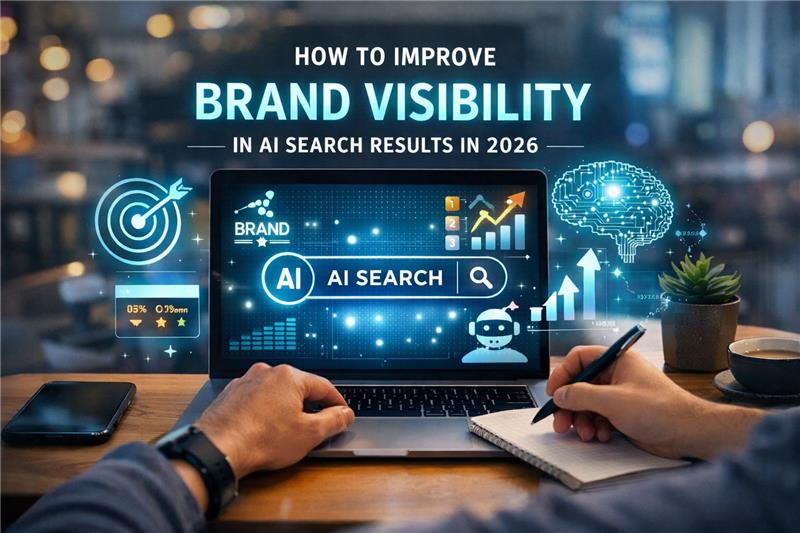

What strategies improve brand visibility in AI search engines? This question has become increasingly important as users turn to ChatGPT, Gemini, Claude, Perplexity, and Google AI Overviews to discover brands, products, and services.
Table Of Content
- Quick Answer
- Key Takeaways
- Why AI Search Visibility Matters for Modern Brands
- The Shift from Ranking to Referencing
- Build Strong Topical Authority Around Your Niche
- How Topic Clusters Improve AI Visibility
- Create EEAT-Focused Content That Demonstrates Expertise
- Ways to Strengthen EEAT Signals
- Optimize Content for Conversational AI Queries
- Creating AI-Friendly Content Structures
- Strengthen Your Brand Entity Across the Web
- Key Entity Optimization Strategies
- Use Structured Data and Technical Optimization
- Most Valuable Schema Types for AI Visibility
- Step-by-Step Guide to Improve Brand Visibility in AI Search Engines
- Real-World Examples of AI Search Visibility Success
- Common Characteristics of AI-Visible Brands
- Benefits of Improving Brand Visibility in AI Search Engines
- Long-Term Competitive Advantages
- Risks and Limitations
- Managing Expectations
- Common Mistakes Brands Make
- Mistakes to Avoid
- Expert Insights
- Frequently Asked Questions
- 1. What is brand visibility in AI search engines?
- 2. How is AI search different from traditional SEO?
- 3. Does schema markup improve AI visibility?
- 4. What role does EEAT play in AI search?
- 5. Can backlinks improve AI visibility?
- 6. How important is topical authority?
- 7. Do AI search engines use keywords?
- 8. How can brands become AI citation sources?
- 9. Does AI visibility increase website traffic?
- 10. What is the best strategy for long-term AI visibility?
- Final Verdict
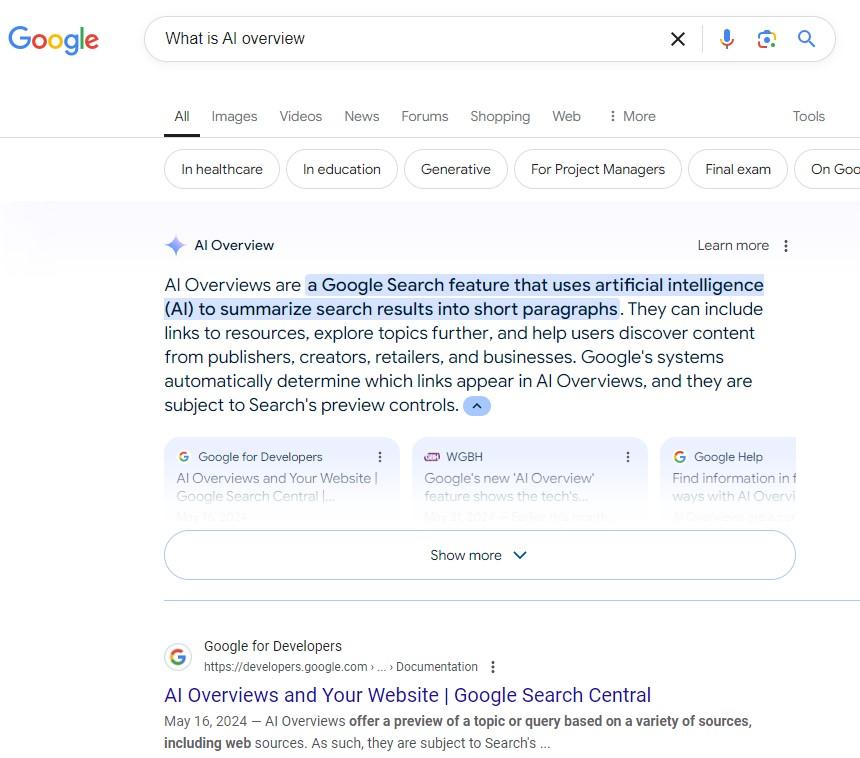
Instead of displaying a list of links, AI search engines generate direct responses by analyzing content from multiple sources. This shift creates a new challenge for businesses: ranking on Google alone is no longer enough. Brands must also become visible within AI-generated answers.
For marketers, startups, SaaS companies, eCommerce businesses, and content publishers, understanding what strategies improve brand visibility in ai search engines has become essential. Companies that adapt early can gain significant advantages, including increased authority, higher brand mentions, more qualified traffic, and stronger customer trust.
The good news is that AI search optimization is not about manipulating algorithms. It is about creating trustworthy, comprehensive, and well-structured content that AI systems can easily understand and cite.
This guide explains the most effective strategies for improving brand visibility across modern AI search platforms while building sustainable authority that benefits both traditional SEO and AI-driven discovery.
Quick Answer
The most effective strategies for improving brand visibility in AI search engines include building topical authority, creating comprehensive EEAT-focused content, implementing structured data, earning high-quality citations and backlinks, optimizing for conversational queries, maintaining brand consistency across the web, publishing expert-led content, and becoming a trusted source that AI systems frequently reference when generating answers.
Key Takeaways
- AI search engines prioritize authority, trustworthiness, and content quality.
- Topical authority is becoming more important than keyword density.
- Brands that consistently publish expert content receive more AI citations.
- Structured data helps AI systems understand content context.
- Digital PR and high-quality mentions improve AI visibility.
- Brand entities must remain consistent across all online platforms.
- Conversational content performs better in AI-generated responses.
- First-hand expertise significantly increases citation potential.
- AI search optimization complements traditional SEO rather than replacing it.
- Brands that become trusted information sources gain long-term visibility advantages.
Why AI Search Visibility Matters for Modern Brands
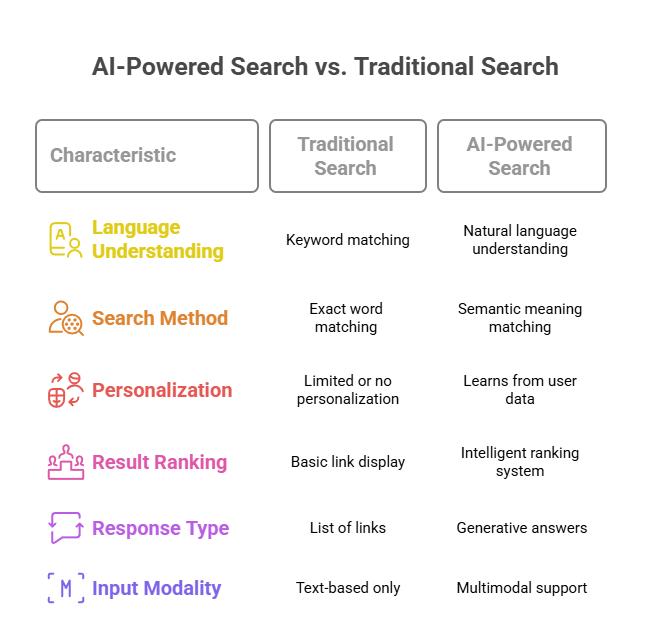
AI-powered search platforms are transforming how users discover information. Instead of clicking through multiple websites, people increasingly ask conversational questions and receive direct answers generated by artificial intelligence.
This behavior changes the visibility equation. In traditional search, ranking on page one was often enough to earn traffic. In AI search, a brand must be recognized as a credible source worthy of inclusion within generated responses.
When AI systems cite or mention your brand, users are exposed to your expertise before they even visit your website. This creates a new layer of digital authority that can influence purchasing decisions, brand trust, and long-term market positioning.
Organizations that fail to adapt risk becoming invisible despite having strong websites. AI systems often favor brands that demonstrate expertise through comprehensive content, reputable mentions, consistent information, and subject-matter authority.
Another important factor is the rise of zero-click searches. Users increasingly get answers without visiting traditional search results. If your brand is referenced inside AI-generated responses, you can still benefit from awareness and credibility even when users never click a link.
As AI adoption accelerates across search experiences, visibility within these systems becomes a competitive advantage. Brands that understand how AI evaluates information can position themselves as preferred sources and gain exposure across multiple platforms simultaneously.
The Shift from Ranking to Referencing
Traditional SEO focused heavily on rankings. AI search introduces a new objective: becoming reference-worthy.
AI engines gather information from multiple trusted sources and synthesize answers. The brands most likely to appear are those with strong expertise signals and authoritative content ecosystems.
Rather than asking, “How can I rank for this keyword?” marketers must increasingly ask, “How can my brand become the best source for this topic?”
This mindset encourages deeper content creation, stronger expertise demonstration, and more meaningful user value.
Build Strong Topical Authority Around Your Niche
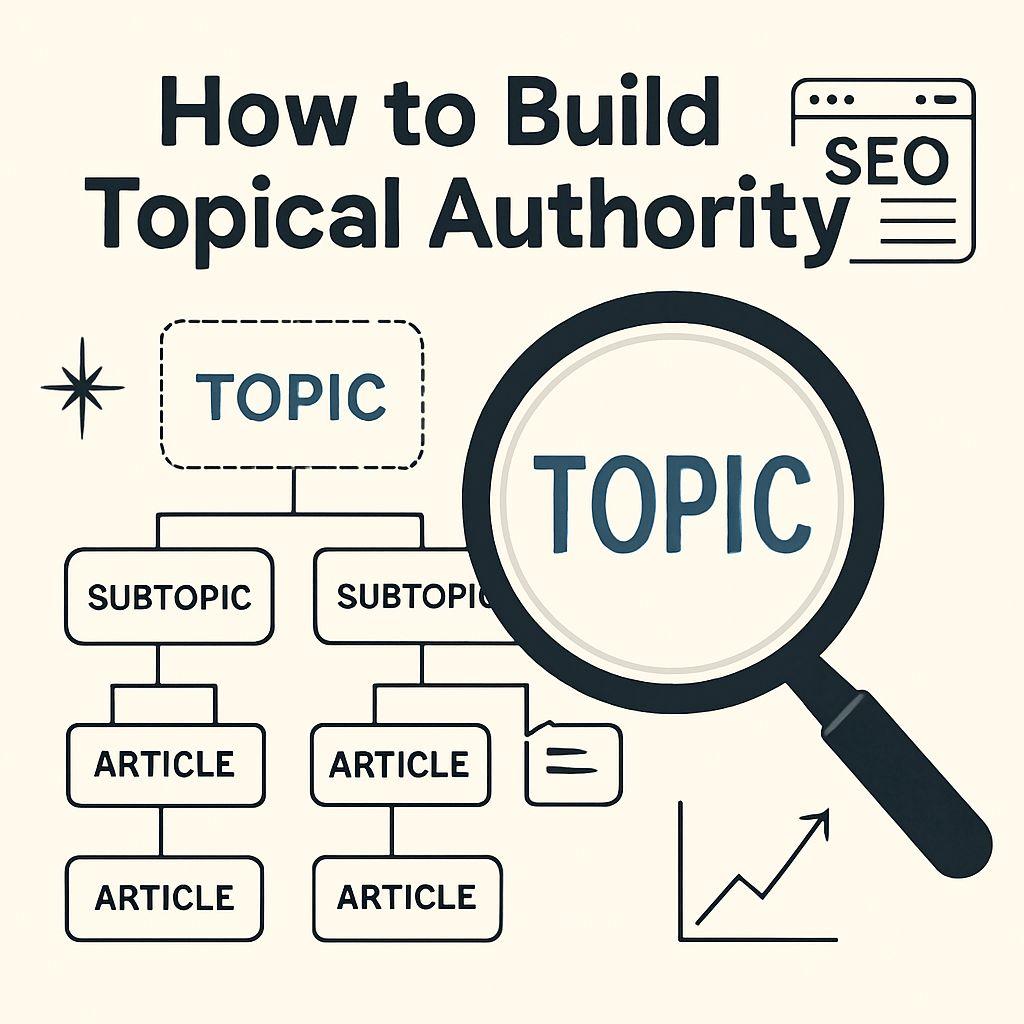
Topical authority is one of the most powerful strategies for improving brand visibility in AI search engines.
AI systems evaluate whether a website demonstrates deep expertise across an entire subject area rather than merely targeting isolated keywords. Brands that consistently cover related topics are often perceived as more trustworthy and knowledgeable.
For example, an AI software company should not publish only product-focused content. It should also cover AI automation, machine learning applications, prompt engineering, AI ethics, workflow optimization, AI tools, industry trends, and implementation strategies.
When multiple pieces of content connect around a central theme, AI systems gain confidence that the brand understands the subject comprehensively.
A topic cluster strategy helps establish this authority. Businesses create pillar content covering broad subjects and then support those pages with detailed articles addressing specific subtopics.
Over time, this content network demonstrates expertise, making it more likely that AI search engines will reference the brand when generating answers.
Topical authority also improves user trust. Visitors encountering extensive, high-quality educational resources are more likely to perceive the brand as a leader rather than simply another competitor.
How Topic Clusters Improve AI Visibility
Topic clusters organize content around a central subject. Instead of creating disconnected articles, every piece contributes to a broader knowledge ecosystem.
For instance, a brand focused on AI marketing could create articles covering:
- AI content creation
- AI SEO
- Generative AI tools
- AI workflow automation
- Prompt engineering
- AI analytics
- AI customer support
As the content network grows, AI systems can identify clear expertise patterns. This increases the probability that the brand will be cited when users ask related questions.
The goal is not content volume alone. Relevance, depth, consistency, and quality remain essential factors in building authority that AI systems recognize.
Create EEAT-Focused Content That Demonstrates Expertise
Experience, Expertise, Authoritativeness, and Trustworthiness (EEAT) remain fundamental to visibility across both traditional and AI-powered search systems.
AI models increasingly prioritize content from sources that demonstrate real-world knowledge and practical experience. Generic articles often struggle because they provide information already available elsewhere.
Brands can strengthen EEAT by publishing content created or reviewed by experts, including first-hand experiences, original research, case studies, data analysis, and practical examples.
Expert-driven content helps AI systems distinguish authoritative resources from superficial information.
Trust signals also matter significantly. Clear author bios, company information, editorial standards, citations, and transparent sourcing all contribute to credibility.
AI search engines are designed to surface reliable information. The stronger your trust signals, the more likely your content becomes a reference candidate.
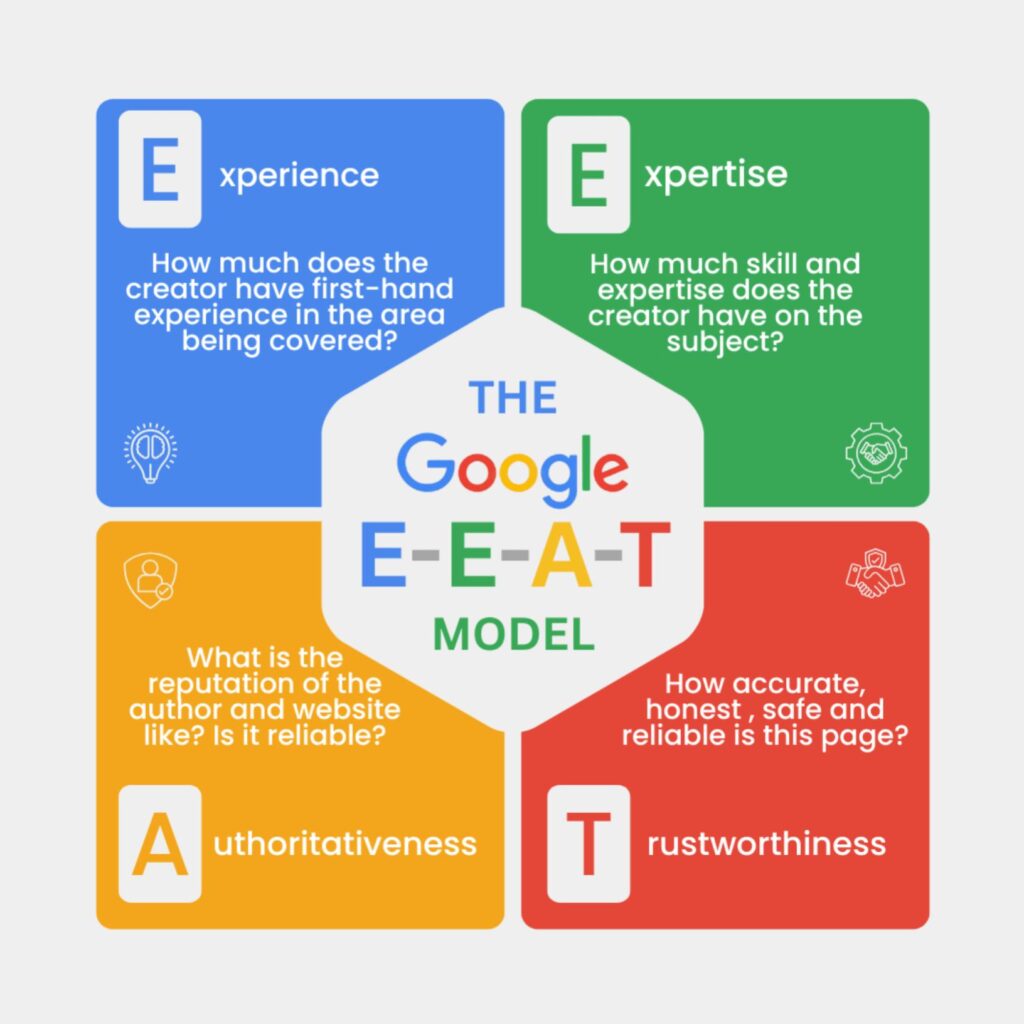
Ways to Strengthen EEAT Signals
Several practical tactics improve EEAT performance:
- Showcase author expertise.
- Include professional credentials.
- Publish original insights.
- Cite reputable sources.
- Add case studies and examples.
- Display transparent editorial policies.
- Regularly update content.
- Provide accurate factual information.
The strongest AI-visible brands often invest heavily in demonstrating expertise rather than simply publishing more content.
Businesses can also leverage modern AI content platforms to scale high-quality content production while maintaining consistency and brand voice. For example, platforms such as MakeAI Now provide AI-powered tools for article generation, content optimization, image creation, and marketing workflows, helping brands produce the type of comprehensive content that AI search engines are more likely to recognize and reference. Its suite of AI writing, image, and content generation tools is designed to streamline content creation across multiple channels.
As AI systems evolve, authentic expertise becomes increasingly difficult to replace with generic content production.
Optimize Content for Conversational AI Queries
AI search engines process natural language differently from traditional search algorithms. Users often ask complete questions rather than entering short keyword phrases.
As a result, brands must optimize content for conversational intent.
Instead of targeting only phrases like “AI SEO,” content should answer questions such as:
- What is AI SEO?
- How does AI SEO work?
- What are the benefits of AI SEO?
- Is AI SEO worth implementing?
This format aligns closely with how users interact with ChatGPT, Gemini, Claude, and Perplexity.
Question-based content helps AI systems identify direct answers and extract relevant information efficiently.
Comprehensive coverage also improves visibility. Rather than answering one question, strong content addresses follow-up questions users may ask next.
Creating AI-Friendly Content Structures
AI systems prefer content that is easy to interpret and summarize.
Best practices include:
- Clear headings.
- Question-based subheadings.
- Short explanatory paragraphs.
- Definitions near the beginning.
- Bullet points.
- Comparison tables.
- FAQs.
- Actionable recommendations.
This structure improves readability for humans while helping AI systems extract information accurately.
Brands that prioritize clarity often receive more citations because their content is easier for AI models to process and reference.
Strengthen Your Brand Entity Across the Web
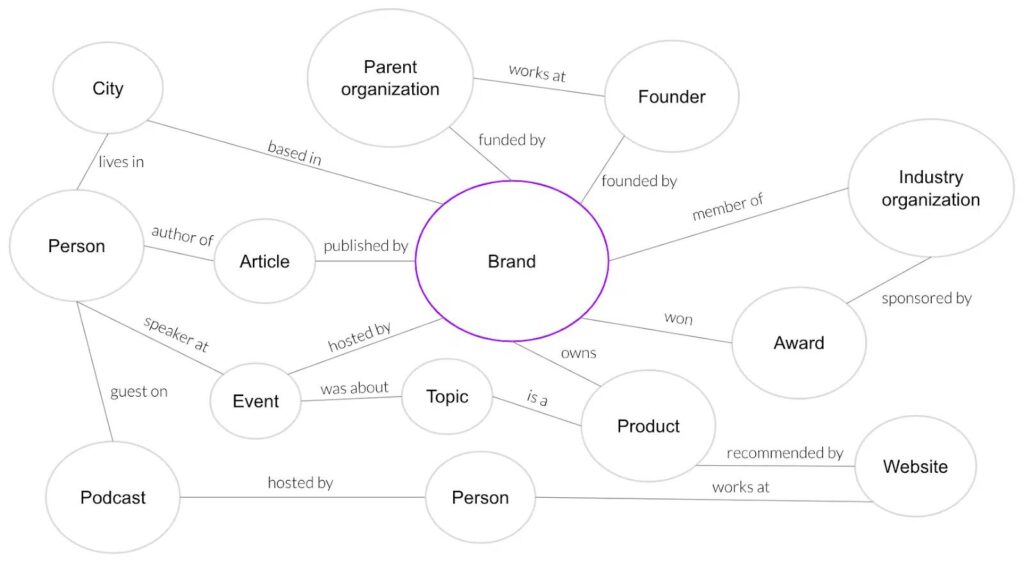
AI search engines do not simply analyze webpages. They evaluate entities.
An entity is a recognizable organization, person, product, or concept with a distinct digital identity.
Brands with strong entity recognition are more likely to appear in AI-generated responses because AI systems can confidently understand who they are and what they represent.
Entity optimization involves maintaining consistent information across all online platforms.
Your company name, description, social profiles, website details, leadership information, and expertise areas should align everywhere.
This consistency helps AI systems build confidence in your brand identity.
Brands that want stronger AI search presence should also understand the practical techniques discussed in our guide on how to improve brand visibility in AI search engines.
Key Entity Optimization Strategies
To improve entity recognition:
- Use consistent branding.
- Maintain updated company profiles.
- Strengthen social media presence.
- Earn mentions from reputable websites.
- Create detailed About pages.
- Build knowledge graph relevance.
- Publish expert commentary.
When AI systems repeatedly encounter consistent information across trusted sources, your brand becomes easier to recognize and reference.
This significantly improves visibility within AI-generated responses.
Use Structured Data and Technical Optimization
Technical SEO remains important in the AI search era.
Structured data helps search engines understand content context, relationships, authorship, products, organizations, reviews, and frequently asked questions.
Schema markup provides machine-readable information that enhances content interpretation.
While schema alone does not guarantee AI citations, it improves content comprehension and increases the likelihood of accurate representation.
Website performance also matters. Fast-loading pages, mobile optimization, secure connections, and clean architecture contribute to trustworthiness.
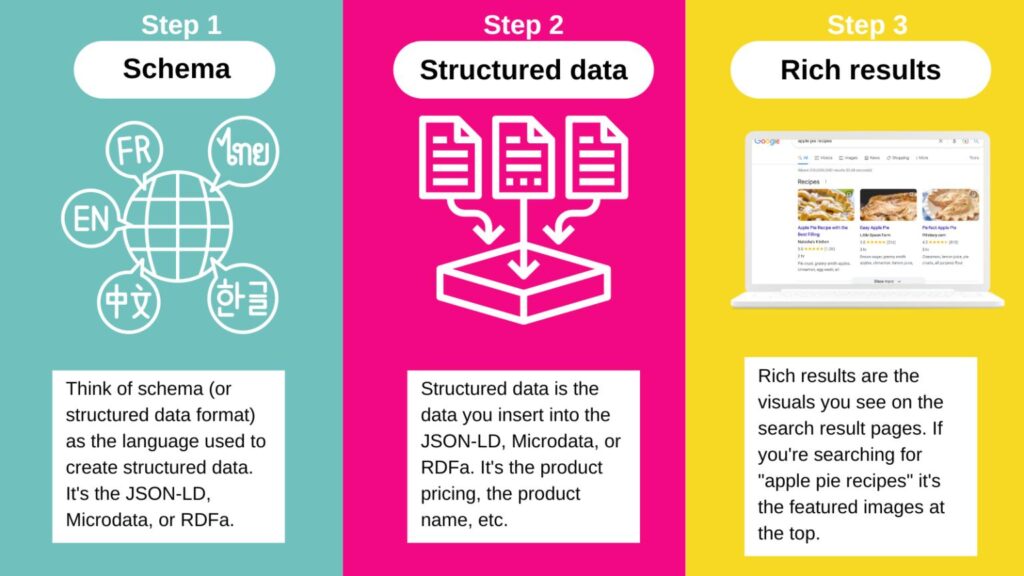
AI systems often favor content from technically sound websites because they signal professionalism and reliability.
Many businesses also leverage specialized AI search optimization tools to track visibility, entity recognition, and AI citations across multiple platforms.
Most Valuable Schema Types for AI Visibility
Useful schema types include:
- Organization Schema
- Article Schema
- FAQ Schema
- Person Schema
- Product Schema
- Review Schema
- Breadcrumb Schema
Proper implementation helps AI systems connect information across your website and improve contextual understanding.
The easier your content is to interpret, the greater its potential visibility within AI-generated answers.
Step-by-Step Guide to Improve Brand Visibility in AI Search Engines
| Step | Action | Goal |
|---|---|---|
| 1 | Define core topics | Build authority |
| 2 | Create pillar content | Establish expertise |
| 3 | Publish supporting articles | Expand coverage |
| 4 | Optimize for questions | Improve AI extraction |
| 5 | Implement schema markup | Enhance understanding |
| 6 | Earn authoritative mentions | Increase trust |
| 7 | Publish original insights | Demonstrate expertise |
| 8 | Improve entity consistency | Strengthen recognition |
| 9 | Update existing content | Maintain relevance |
| 10 | Monitor AI citations | Measure visibility |
Real-World Examples of AI Search Visibility Success
Several organizations have improved AI visibility by focusing on expertise and authority rather than purely traditional SEO tactics.
Software companies often publish extensive educational content that answers technical questions users ask AI assistants. This increases the likelihood of being referenced when those questions appear in AI conversations.
Research organizations gain visibility by publishing original studies that AI systems cite repeatedly.
Industry blogs that consistently provide accurate, comprehensive information often become trusted sources across multiple AI platforms.
The common factor is credibility. AI systems reward brands that contribute meaningful knowledge rather than simply promoting products.
Common Characteristics of AI-Visible Brands
Successful brands typically:
- Publish expert-led content.
- Cover topics comprehensively.
- Maintain strong online reputations.
- Earn authoritative backlinks.
- Demonstrate first-hand experience.
- Update content regularly.
- Prioritize user value.
These characteristics create long-term visibility advantages that are difficult for competitors to replicate quickly.
Benefits of Improving Brand Visibility in AI Search Engines
Improved AI visibility creates several strategic advantages.
First, brands gain exposure within the platforms users increasingly trust for recommendations and information.
Second, AI mentions strengthen credibility because users often perceive referenced sources as authoritative.
Third, increased visibility can drive qualified traffic from users who want deeper information after receiving AI-generated answers.
Fourth, stronger authority improves overall digital marketing performance, including SEO, content marketing, and brand awareness efforts.
Businesses looking to measure their AI visibility can explore the best AI search monitoring tools available today for tracking mentions and competitive performance.
Long-Term Competitive Advantages
Brands that invest early in AI visibility benefit from:
- Increased trust.
- Greater market authority.
- Better content performance.
- Higher-quality leads.
- Stronger brand recognition.
- Future-proof search presence.
As AI adoption grows, these advantages become increasingly valuable.
Risks and Limitations
Although AI visibility offers substantial opportunities, businesses should understand its limitations.
AI platforms may not always attribute sources consistently. Brand mentions can vary between systems and over time.
Algorithms also evolve rapidly, making it difficult to rely on a single optimization tactic.
Additionally, visibility does not guarantee website traffic. Users may obtain answers directly from AI systems without clicking through.
Managing Expectations
Successful AI optimization requires patience.
Brands should view AI visibility as part of a broader authority-building strategy rather than a quick-win traffic tactic.
Focus on creating valuable content and trustworthy expertise rather than chasing temporary algorithm changes.
This approach delivers more sustainable results across both traditional and AI-powered search environments.
Common Mistakes Brands Make
Many organizations approach AI optimization incorrectly.
The most common mistake is producing large amounts of generic content without demonstrating expertise.
Another error is focusing exclusively on keywords while ignoring topical authority.
Some businesses neglect entity optimization, resulting in inconsistent brand information across platforms.
Others fail to update content regularly, causing information to become outdated.
Mistakes to Avoid
Avoid:
- Thin content.
- Keyword stuffing.
- Poor factual accuracy.
- Inconsistent branding.
- Lack of expert authorship.
- Ignoring schema markup.
- Publishing without topical strategy.
Brands that avoid these issues typically achieve stronger long-term AI visibility.
Expert Insights
Industry experts increasingly agree that AI search optimization revolves around trust, authority, and expertise.
The future belongs to brands that consistently produce high-quality information and become recognized knowledge sources.
Rather than optimizing for algorithms alone, organizations should optimize for credibility.
Brands that invest in original research, practical insights, and user-focused education are more likely to earn citations across AI platforms.
The strongest strategy is simple: become the best source on your subject.
When your content genuinely helps users solve problems, AI systems are more likely to surface and reference it.
Frequently Asked Questions
1. What is brand visibility in AI search engines?
Brand visibility refers to how often your company is mentioned, cited, or referenced in AI-generated responses from platforms like ChatGPT, Gemini, Claude, and Perplexity.
2. How is AI search different from traditional SEO?
Traditional SEO focuses on rankings, while AI search focuses on becoming a trusted source that AI systems reference when generating answers.
3. Does schema markup improve AI visibility?
Schema markup helps AI systems understand content structure and context, which can improve content interpretation.
4. What role does EEAT play in AI search?
EEAT helps establish credibility, expertise, and trustworthiness, which are key factors in AI-generated citations.
5. Can backlinks improve AI visibility?
Yes. High-quality backlinks and authoritative mentions strengthen trust signals that AI systems evaluate.
6. How important is topical authority?
Topical authority is extremely important because AI systems favor sources demonstrating deep expertise across a subject area.
7. Do AI search engines use keywords?
Yes, but they prioritize context, relevance, and user intent more heavily than keyword density.
8. How can brands become AI citation sources?
Brands can become citation sources by publishing comprehensive, expert-led, trustworthy content that answers user questions effectively.
9. Does AI visibility increase website traffic?
It can increase traffic, but its biggest benefit is authority, credibility, and brand awareness.
10. What is the best strategy for long-term AI visibility?
Building topical authority through expert content, strong entity optimization, and consistent trust signals is the most sustainable strategy.
Final Verdict
The brands that succeed in AI search engines are not necessarily those with the largest marketing budgets. They are the organizations that consistently demonstrate expertise, authority, and trust.
To improve brand visibility in AI search engines, focus on building topical authority, publishing expert-driven content, strengthening your brand entity, implementing structured data, earning authoritative mentions, and answering user questions comprehensively.
AI search optimization is ultimately about becoming the most reliable source of information in your niche. When your brand earns that position, visibility across ChatGPT, Gemini, Claude, Perplexity, and future AI search platforms becomes significantly easier.
Rather than chasing short-term tactics, invest in credibility. The brands that become trusted knowledge sources today will dominate AI-driven discovery tomorrow.