







As AI writing tools become more advanced, learning how to detect AI generated text has become increasingly important for educators, businesses, publishers, marketers, and content reviewers. Modern AI models can produce articles, emails, reports, product descriptions, and social media content that often appear surprisingly human. However, despite significant improvements in natural language generation, AI-written content still leaves recognizable patterns that trained readers and specialized tools can identify.
Table Of Content
- Quick Answer: How to Detect AI Generated Text
- Key Takeaways for Detecting AI Generated Text
- What Is AI Generated Text and Why Is It Important to Detect?
- Why Learning How to Detect AI Generated Text Matters
- How to Detect AI Generated Text: 12 Proven Detection Methods
- 1. Look for Repetitive Sentence Structures
- 2. Analyze Predictability
- 3. Check for Lack of Personal Experience
- 4. Identify Generic Explanations
- 5. Examine Emotional Authenticity
- 6. Fact-Check Claims and Sources
- 7. Use AI Detection Tools
- 8. Analyze Context Awareness
- 9. Watch for Excessive Consistency
- 10. Evaluate Original Thinking
- 11. Review Transition Quality
- 12. Compare Against Known Writing Samples
- AI Generated Text Detection Methods Comparison
- Step-by-Step Guide: How to Detect AI Generated Text
- Step 1: Read the Entire AI Generated Text Carefully
- Step 2: Look for Repetitive Patterns in AI Generated Text
- Step 3: Check Whether the Content Looks AI Written
- Step 4: Verify Facts
- Step 5: Run Detection Tools
- Step 6: Apply Human Judgment
- Real-World Examples of How to Detect AI Generated Text
- Example 1: Marketing Article
- Example 2: Student Essay
- Example 3: Industry Blog Post
- Benefits of Knowing How to Detect AI Generated Text
- How Detecting AI Generated Text Improves Content Quality
- How AI Text Detection Builds Trust and Transparency
- Stronger Academic Integrity
- Reduced Misinformation Risk
- Better Hiring and Evaluation Decisions
- Risks and Limitations When Detecting AI Generated Text
- False Positives in AI Generated Text Detection
- False Negatives When Detecting AI Written Content
- Rapid AI Improvement
- Overreliance on Software
- Context Matters
- Common Mistakes While Trying to Detect AI Generated Text
- Assuming Perfect Grammar Always Means AI Generated Text
- Relying on a Single AI Generated Text Detector
- Ignoring Context
- Overlooking Human Editing
- Treating Detection Scores as Proof
- Expert Insights on How to Detect AI Generated Text Effectively
- FAQs About How to Detect AI Generated Text
- 1. Can AI-generated text be detected accurately?
- 2. What is the best AI detector?
- 3. Can AI detectors make mistakes?
- 4. Is AI-generated content always bad?
- 5. Can human-edited AI content be detected?
- 6. Why do AI detectors disagree?
- 7. Can search engines detect AI content?
- 8. How can teachers detect AI-generated assignments?
- 9. Is AI detection becoming harder?
- 10. Should businesses rely solely on AI detectors?
- Final Verdict: How to Detect AI Generated Text Accurately
Whether you’re checking academic submissions, reviewing freelance content, evaluating online information, or maintaining editorial standards, understanding the signs of AI-generated writing can help you make better decisions. While no detection method is perfect, combining human analysis with AI detection tools significantly improves accuracy.
In this guide, you’ll learn how AI-generated content differs from human writing, the most reliable detection techniques, popular AI detection tools, real-world examples, common mistakes, limitations, and expert recommendations. By the end, you’ll have a practical framework for identifying AI-written content more confidently and accurately. New to artificial intelligence? Start with our beginner-friendly guide explaining what is AI definition and how AI systems work.
Quick Answer: How to Detect AI Generated Text
The most effective way to detect AI-generated text is to combine multiple methods, including:
- Looking for repetitive sentence structures
- Checking for overly consistent writing patterns
- Identifying generic explanations and lack of personal experience
- Verifying facts and citations
- Using AI detection tools
- Analyzing tone, context, and originality
No single method guarantees accuracy, but combining human judgment with technology provides the best results.
Key Takeaways for Detecting AI Generated Text
- AI-generated text often appears highly structured and predictable.
- Human writing usually contains unique insights, experiences, and stylistic variation.
- AI detectors can help but should never be the only deciding factor.
- Fact-checking remains essential because AI can generate inaccurate information.
- The best detection strategy combines tools, critical thinking, and contextual analysis.
- Advanced AI models are becoming harder to detect, making human expertise increasingly valuable.
What Is AI Generated Text and Why Is It Important to Detect?
AI-generated text refers to written content created by artificial intelligence systems trained on massive datasets of books, articles, websites, and other written materials. These systems analyze patterns in language and predict the most likely sequence of words based on a given prompt.
Today, AI-generated content is used for blog writing, customer support, email drafting, content marketing, coding assistance, research summaries, and more. Popular AI content creation platforms such as MakeAINow help users generate articles, marketing copy, images, code, and other digital content, making it important to understand how AI-generated text can be identified and evaluated. The quality of AI writing has improved dramatically, making detection more challenging than it was just a few years ago.
Despite these advancements, AI-generated content often differs from human writing in subtle ways. AI tends to optimize for fluency and readability, sometimes at the expense of originality, personal perspective, emotional depth, or contextual understanding.
Understanding these differences is the foundation of effective AI text detection. If you’re wondering how modern AI systems create text in the first place, explore our detailed article on is ChatGPT generative AI.
Why Learning How to Detect AI Generated Text Matters
The ability to identify AI-written content has become important across many industries.
Educational institutions need to ensure academic integrity and authentic student work. Publishers want to maintain editorial standards and transparency. Businesses must verify content quality and originality. Researchers often need to distinguish between human-created and machine-generated information.
Another major reason is trust. Readers increasingly want to know whether content was created by a human expert or generated by AI. In some industries, transparency regarding AI usage may become a regulatory or ethical requirement.
Detection is also important because AI systems sometimes generate misleading information, fabricated citations, or inaccurate facts. Identifying potentially AI-generated content can prompt additional verification before publication or decision-making.
Rather than viewing detection as a way to punish AI use, many organizations see it as a quality-control process that supports responsible content creation.
How to Detect AI Generated Text: 12 Proven Detection Methods
1. Look for Repetitive Sentence Structures
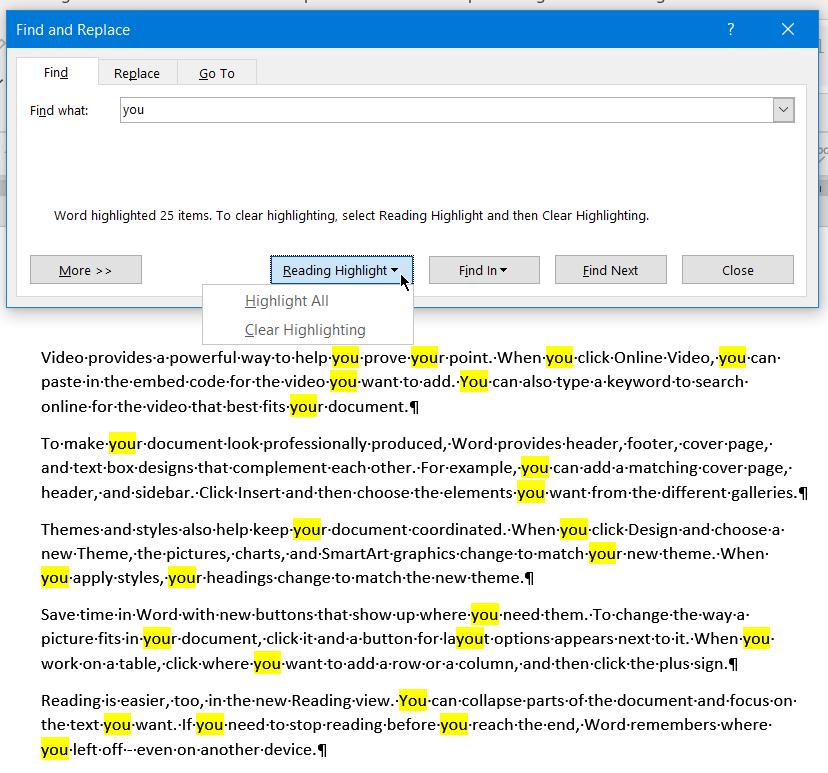
AI models frequently repeat similar sentence patterns throughout a document.
For example, multiple paragraphs may start with phrases like:
“It is important to note…”
“In today’s digital landscape…”
“Businesses can benefit from…”
“One key advantage is…”
While human writers occasionally repeat structures, they generally vary sentence length, rhythm, and organization more naturally.
When an article follows nearly identical paragraph patterns from beginning to end, AI involvement becomes more likely.
2. Analyze Predictability
AI-generated writing often feels overly predictable.
Many AI systems prioritize coherence and grammatical accuracy. As a result, content may lack surprising insights, unconventional opinions, or creative transitions.
Human writers often introduce unique perspectives, personal anecdotes, or unexpected observations that make their work feel more authentic.
If every paragraph feels safe, balanced, and formulaic, AI generation may be a contributing factor.
3. Check for Lack of Personal Experience
One of the strongest indicators of AI-generated content is the absence of genuine personal experience.
Human writers frequently reference:
- Real projects
- Professional experiences
- Personal observations
- Lessons learned
- Industry-specific challenges
AI systems can imitate these elements but often do so in a generalized way.
Content that discusses experiences without meaningful detail may warrant closer examination.
4. Identify Generic Explanations
AI often produces broad explanations that sound informative but lack depth.
For example:
“Effective communication is important because it helps individuals achieve better outcomes.”
While technically correct, this statement provides little practical value.
Human experts typically support claims with examples, data, case studies, or nuanced reasoning.
When content repeatedly offers obvious conclusions without supporting evidence, it may indicate AI generation.
5. Examine Emotional Authenticity
Human writing often contains subtle emotional signals, opinions, frustrations, enthusiasm, or personality traits.
AI-generated content tends to maintain a neutral tone throughout the document.
Even when AI attempts emotional writing, the emotion may feel artificial, exaggerated, or disconnected from context.
Authentic emotional expression remains one of the more difficult aspects for AI systems to replicate consistently. Want to understand how advanced AI tools attempt to mimic human writing patterns? Read our guide on how to get AI write like a human.
6. Fact-Check Claims and Sources
AI systems can generate convincing but incorrect information.
Common issues include:
- Fabricated statistics
- Nonexistent studies
- Fake citations
- Incorrect dates
- Misattributed quotes
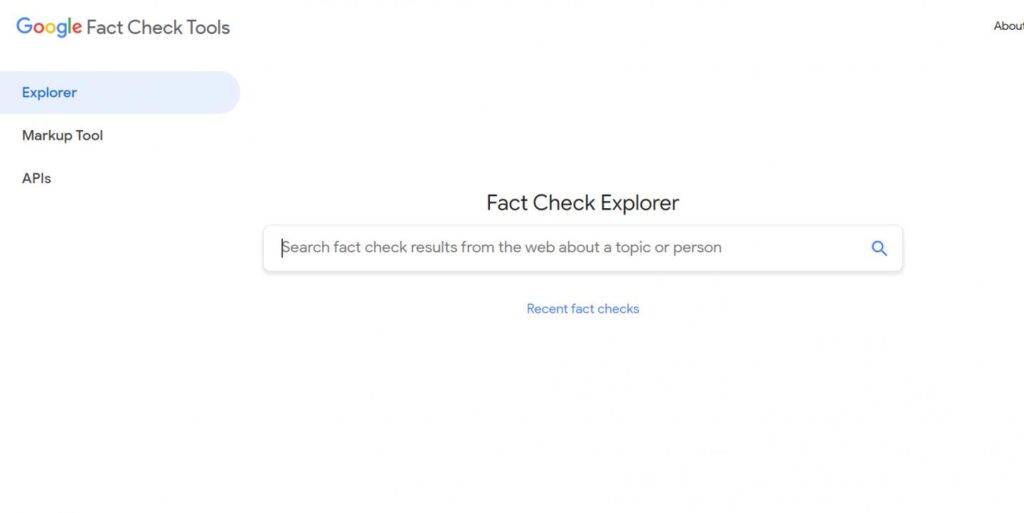
Whenever content contains specific claims, verify them independently.
Frequent factual inconsistencies may indicate AI-generated content.
7. Use AI Detection Tools
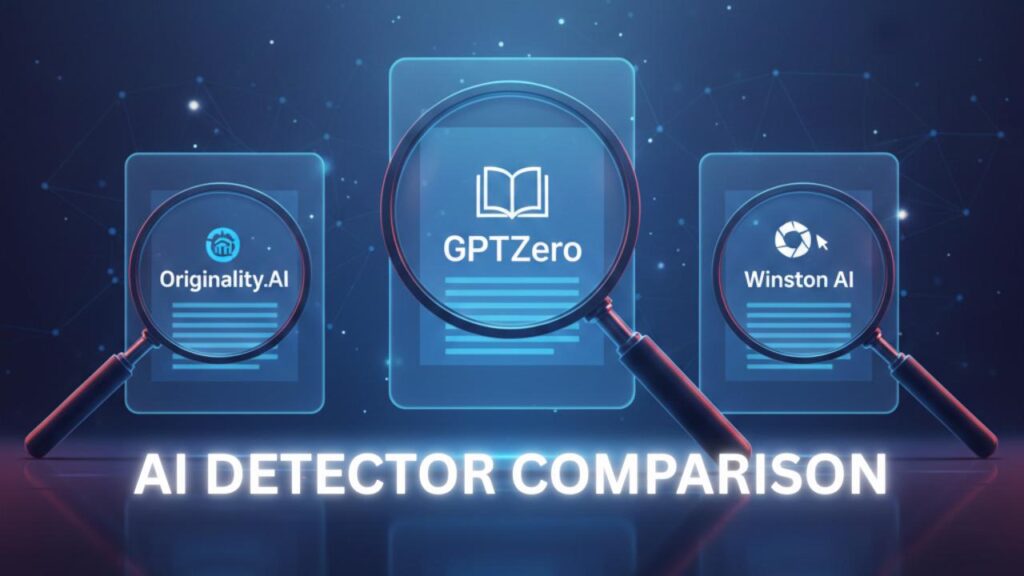
Several tools attempt to identify AI-written content through linguistic analysis.
Popular options include:
- GPTZero
- Originality.ai
- Copyleaks
- Winston AI
- ZeroGPT
These tools evaluate factors such as predictability, perplexity, and writing patterns.
However, no detector provides perfect accuracy. Results should always be interpreted alongside human review. Looking for the most effective AI tools available today? Check out our comparison of the best AI apps for different use cases.
8. Analyze Context Awareness
Human writers generally understand context more deeply.
AI-generated content may:
- Repeat information unnecessarily
- Miss subtle contextual clues
- Provide irrelevant examples
- Misinterpret nuanced questions
Reviewing how well content responds to the specific context can reveal signs of automation.
9. Watch for Excessive Consistency
Humans naturally vary tone, sentence length, and vocabulary.
AI often maintains unusually consistent writing characteristics throughout long documents.
Perfect consistency may appear professional but can also indicate machine generation.
10. Evaluate Original Thinking
Human experts often challenge assumptions or introduce novel viewpoints.
AI generally synthesizes existing information rather than generating truly original ideas.
Content lacking distinctive insights may deserve closer scrutiny.
11. Review Transition Quality
AI-generated transitions can feel mechanical.
Examples include:
- Furthermore
- Moreover
- Additionally
- In conclusion
Overuse of these connectors can create an unnatural flow.
Human writers tend to vary transitions more creatively.
12. Compare Against Known Writing Samples
When possible, compare the content with verified human-written work from the same author.
Differences in tone, vocabulary, complexity, and style can reveal potential AI involvement.
This approach is especially useful in academic and professional settings.
AI Generated Text Detection Methods Comparison
| Detection Method | Accuracy | Best Use Case | Limitation |
|---|---|---|---|
| Human Review | High | Editorial review | Time-consuming |
| AI Detection Tools | Moderate | Initial screening | False positives |
| Fact Checking | High | Research content | Requires effort |
| Style Comparison | High | Known authors | Needs reference samples |
| Context Analysis | Moderate | Professional review | Subjective |
| Citation Verification | High | Academic content | Not always applicable |
Step-by-Step Guide: How to Detect AI Generated Text
Step 1: Read the Entire AI Generated Text Carefully
Avoid judging based on a single paragraph. Patterns become more visible across the full document.
Step 2: Look for Repetitive Patterns in AI Generated Text
Look for repeated phrases, sentence structures, and ideas.
Step 3: Check Whether the Content Looks AI Written
Assess whether the content offers unique insights or merely summarizes common knowledge.
Step 4: Verify Facts
Confirm statistics, sources, and factual claims.
Step 5: Run Detection Tools
Use multiple AI detectors rather than relying on one platform.
Step 6: Apply Human Judgment
Combine all findings before making conclusions.
The strongest detection strategy involves both technology and human expertise.
Real-World Examples of How to Detect AI Generated Text
Example 1: Marketing Article
An article repeatedly begins paragraphs with:
“Businesses can benefit from…”
The content remains accurate but provides few practical examples and lacks real-world experiences.
This pattern suggests possible AI involvement.
Example 2: Student Essay
The essay is grammatically flawless but contains generic explanations and no personal reflection.
Several AI detectors flag the content.
This combination increases the likelihood of AI assistance.
Example 3: Industry Blog Post
The article includes expert opinions, project examples, nuanced analysis, and detailed case studies.
Although AI tools report mixed results, human review suggests strong human authorship.
This illustrates why detectors alone are insufficient.
Benefits of Knowing How to Detect AI Generated Text
Organizations that can identify AI-generated content gain several advantages.
How Detecting AI Generated Text Improves Content Quality
Detection helps maintain editorial standards and ensures meaningful contributions.
How AI Text Detection Builds Trust and Transparency
Readers value honesty regarding content creation methods.
Stronger Academic Integrity
Educational institutions can encourage authentic learning and assessment.
Reduced Misinformation Risk
Detection often prompts additional fact-checking and verification.
Better Hiring and Evaluation Decisions
Employers can assess genuine writing abilities when reviewing submissions.
Risks and Limitations When Detecting AI Generated Text
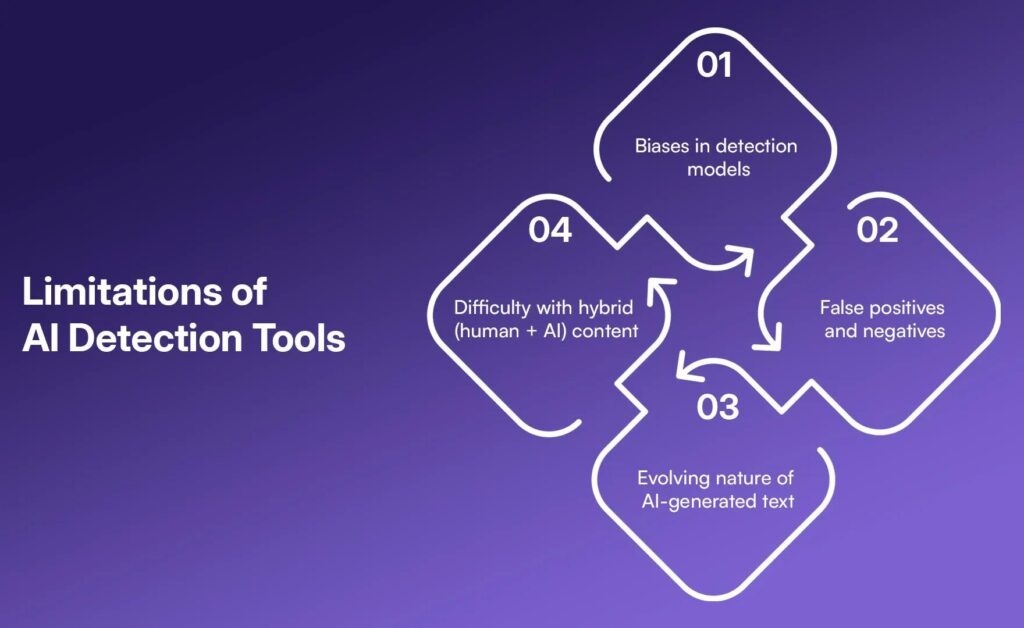
Despite advances in detection technology, significant limitations remain.
False Positives in AI Generated Text Detection
Human-written content can sometimes be incorrectly flagged as AI-generated.
False Negatives When Detecting AI Written Content
Advanced AI-generated text may evade detection.
Rapid AI Improvement
Detection methods often struggle to keep pace with evolving language models.
Overreliance on Software
No detector should serve as the sole basis for important decisions.
Context Matters
Writing style varies significantly across individuals, industries, and content formats.
For these reasons, AI detection should be viewed as a probability assessment rather than definitive proof.
Common Mistakes While Trying to Detect AI Generated Text
Many reviewers make avoidable errors.
Assuming Perfect Grammar Always Means AI Generated Text
Skilled human writers can produce highly polished content.
Relying on a Single AI Generated Text Detector
Different tools often generate different results.
Ignoring Context
Industry-specific writing may naturally appear structured.
Overlooking Human Editing
AI-generated content is often heavily edited by humans.
Treating Detection Scores as Proof
Detection scores should support investigation, not replace judgment.
Expert Insights on How to Detect AI Generated Text Effectively
Most content experts agree on one important principle: AI detection is becoming increasingly difficult.
Rather than searching for a single “tell,” professionals focus on patterns.
Experienced editors examine:
- Consistency
- Originality
- Contextual understanding
- Evidence quality
- Personal expertise
- Fact accuracy
The future of detection will likely rely on hybrid approaches that combine machine analysis, human expertise, content provenance systems, and transparency standards.
Organizations that invest in reviewer training will generally achieve better outcomes than those relying solely on automated detection software.
FAQs About How to Detect AI Generated Text
1. Can AI-generated text be detected accurately?
AI-generated text can often be identified, but no method guarantees 100% accuracy.
2. What is the best AI detector?
Popular options include GPTZero, Originality.ai, Winston AI, Copyleaks, and ZeroGPT.
3. Can AI detectors make mistakes?
Yes. False positives and false negatives are common.
4. Is AI-generated content always bad?
No. AI can be valuable when used responsibly and reviewed by humans.
5. Can human-edited AI content be detected?
It becomes significantly harder to detect after extensive human editing.
6. Why do AI detectors disagree?
Each tool uses different algorithms and evaluation criteria.
7. Can search engines detect AI content?
Search engines focus more on quality, usefulness, and trustworthiness than on whether content was written by AI.
8. How can teachers detect AI-generated assignments?
Teachers often combine AI detectors, writing history analysis, and comparisons with previous student work.
9. Is AI detection becoming harder?
Yes. Modern AI models produce increasingly human-like writing.
10. Should businesses rely solely on AI detectors?
No. Human review should always remain part of the evaluation process.
Final Verdict: How to Detect AI Generated Text Accurately
Understanding how to detect ai generated text is becoming an essential skill in education, publishing, marketing, and business. While AI writing continues to improve, it still leaves identifiable patterns such as repetitive structures, predictable language, generic explanations, and limited personal experience.
The most reliable approach combines AI detection tools, fact-checking, contextual analysis, and human judgment. Rather than seeking absolute certainty, focus on gathering multiple signals before reaching a conclusion.
As AI technology evolves, successful detection will depend less on finding obvious mistakes and more on evaluating authenticity, originality, expertise, and real-world value.