


Why Use AI Search Monitoring Tools? The Complete Guide for Brands, Marketers, and SEO Professionals

Why use AI search monitoring tools? This question has become increasingly important as AI-powered search engines and answer engines reshape how people discover information online. Traditional SEO analytics platforms can tell you where your website ranks on search engine results pages, but they often fail to reveal how your brand appears in AI-generated responses from platforms like ChatGPT, Google AI Overviews, Gemini, Claude, and Perplexity.
Table Of Content
- Quick Answer
- Key Takeaways
- How AI Search Monitoring Tools Support Modern Search Visibility
- Why Traditional SEO Tracking Is No Longer Enough
- How AI Search Visibility Impacts Business Growth
- Benefits of Using AI Search Monitoring Software
- Better Brand Mention Tracking Across AI Platforms
- Improved Competitive Intelligence Through AI Search Analysis
- How AI Search Monitoring Tools Work
- AI Citation Monitoring and Source Analysis
- AI Prompt Tracking and Visibility Measurement
- AI Search Monitoring vs Traditional SEO Monitoring
- Real-World Examples of AI Search Monitoring Success
- SaaS Companies Tracking AI Recommendations
- E-Commerce Brands Improving AI Discovery
- Step-by-Step Guide to Using AI Search Monitoring Tools Effectively
- Step 1: Define AI Search Visibility Goals
- Step 2: Monitor Key Prompts and Topics
- Step 3: Analyze Competitor Performance
- Step 4: Optimize Content for AI Retrieval
- Step 5: Measure and Refine
- Benefits of AI Search Monitoring for GEO and AI SEO
- Stronger Content Optimization for AI Systems
- Enhanced Authority and Trust Signals
- Risks and Limitations of AI Search Monitoring Tools
- AI Search Results Can Change Frequently
- Incomplete Coverage Across All AI Platforms
- Common Mistakes When Using AI Search Monitoring Platforms
- Focusing Only on Mentions Instead of Influence
- Ignoring Traditional SEO Foundations
- Expert Insights on the Future of AI Search Monitoring
- Frequently Asked Questions
- What are AI search monitoring tools?
- Why are AI search monitoring tools important?
- Do AI search monitoring tools replace SEO tools?
- Which businesses benefit most from AI search monitoring?
- Can AI search monitoring improve rankings?
- What is the difference between GEO and SEO?
- How often should AI visibility be monitored?
- Are AI search monitoring tools accurate?
- What metrics should businesses track?
- Is AI search monitoring worth the investment?
- Final Verdict
- Additional Resources for AI Search Optimization
Today, users are receiving direct answers instead of clicking through multiple search results. This shift means businesses need visibility not only in traditional search rankings but also within AI-generated answers. If your brand is not being cited, recommended, or mentioned by AI systems, you may be losing potential traffic, leads, and customers without realizing it.
AI search monitoring tools help organizations track their presence across AI-powered search experiences, identify opportunities for improvement, understand competitor visibility, and optimize content for generative search engines. If you’re evaluating solutions, explore our guide on the best AI search monitoring tools to compare leading platforms and their features. These tools provide critical insights that standard SEO software often misses.
In this guide, you’ll learn why AI search monitoring tools matter, how they work, their benefits and limitations, practical use cases, and how businesses can use them to improve their visibility in the era of AI-driven search.
Quick Answer
AI search monitoring tools help businesses track, measure, and improve how their brand, content, products, and services appear in AI-generated search results and answer engines. They provide visibility into AI citations, brand mentions, competitor performance, content gaps, and optimization opportunities that traditional SEO tools cannot fully capture.
Key Takeaways
- AI search is changing how users discover information online.
- Traditional SEO tools cannot fully monitor AI-generated answers.
- AI search monitoring tools track mentions, citations, and recommendations.
- Brands can identify visibility gaps in AI search ecosystems.
- Competitive intelligence becomes more accurate and actionable.
- Content optimization can be aligned with AI answer engines.
- Businesses gain insights into emerging search behavior trends.
- Early adoption creates a significant competitive advantage.
How AI Search Monitoring Tools Support Modern Search Visibility
The search landscape has evolved dramatically over the last few years. Users no longer rely exclusively on traditional search engines to find answers. Instead, they increasingly turn to conversational AI assistants and generative search platforms.
When a user asks an AI system for recommendations, product comparisons, industry insights, or educational information, the AI often generates a direct answer rather than displaying a list of links. This fundamentally changes how brands gain visibility.
AI search monitoring tools help businesses understand whether they are being included in these responses. Instead of tracking only keyword rankings, they monitor brand mentions, citations, references, and recommendations across AI ecosystems.
Why Traditional SEO Tracking Is No Longer Enough
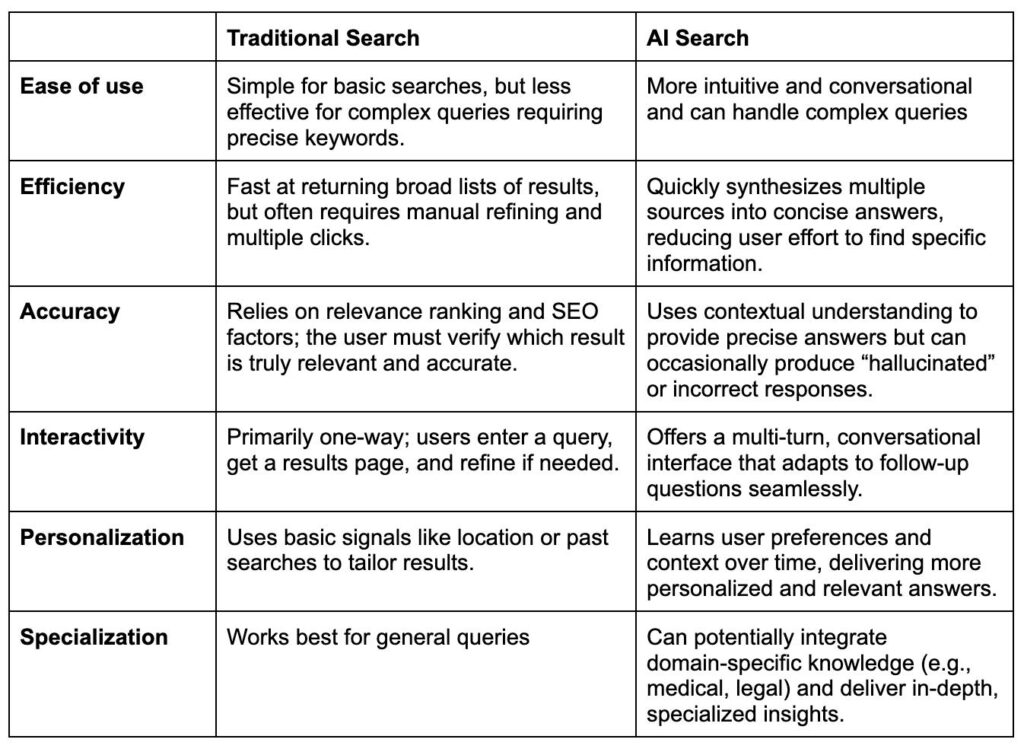
Traditional SEO platforms focus primarily on rankings, clicks, impressions, and backlinks. While these metrics remain important, they do not provide a complete picture of visibility in AI-generated search experiences.
For example, a company might rank highly for a keyword in Google Search but rarely appear in AI-generated recommendations. Conversely, another company may have moderate rankings yet receive frequent citations from AI systems because of stronger topical authority and content quality.
This gap creates a new challenge for marketers. Without monitoring AI visibility, organizations may overlook valuable opportunities to influence user decisions during the answer-generation process.
AI search monitoring tools bridge this gap by revealing how AI models interpret, reference, and present brand information.
How AI Search Visibility Impacts Business Growth
Visibility in AI-generated responses can influence purchasing decisions, brand awareness, lead generation, and customer trust. When AI systems repeatedly cite a company as an authority, users often perceive that brand as more credible.
Businesses that understand their AI visibility can optimize content strategies, strengthen authority signals, and improve their chances of being included in future AI-generated answers.
Benefits of Using AI Search Monitoring Software
Organizations investing in AI search monitoring gain several strategic advantages that extend beyond traditional SEO.
Better Brand Mention Tracking Across AI Platforms
One of the biggest benefits is the ability to monitor where and how a brand appears within AI-generated responses.
Businesses can discover:
- How often they are mentioned
- Which topics trigger brand references
- Which competitors receive more visibility
- Which AI platforms provide the most exposure
These insights help marketing teams understand their actual influence across emerging search ecosystems.
Improved Competitive Intelligence Through AI Search Analysis
Competitive analysis becomes more sophisticated when AI-generated responses are included.
Instead of comparing only rankings and backlinks, businesses can analyze:
- AI citation frequency
- Recommendation rates
- Topic ownership
- Industry authority signals
For example, if competitors consistently appear in AI answers for high-value industry questions, organizations can investigate the underlying content strategies driving those results.
This intelligence helps teams prioritize content investments more effectively and close visibility gaps before competitors strengthen their advantage.
How AI Search Monitoring Tools Work

AI search monitoring platforms use a combination of prompt analysis, visibility tracking, citation monitoring, and answer evaluation to assess brand presence across AI-powered systems.
These tools typically simulate user searches and prompts across multiple AI environments.
They then analyze:
- Brand mentions
- Citation sources
- Answer positioning
- Sentiment
- Competitor references
- Content overlap
The resulting data provides a clearer picture of how AI systems perceive and present information.
AI Citation Monitoring and Source Analysis
Many AI systems rely on external sources when generating answers. Monitoring tools help identify which sources contribute to AI-generated responses.
This information allows organizations to determine:
- Which pages influence AI answers
- Which publications drive citations
- Which content formats perform best
- Which authority signals matter most
Understanding citation patterns can significantly improve content planning and distribution strategies.
AI Prompt Tracking and Visibility Measurement
Modern tools also track visibility across hundreds or thousands of prompts.
Instead of focusing on individual keywords, businesses can analyze performance across broader user intents.
Examples include:
- Product recommendations
- Industry comparisons
- Educational questions
- Buying guides
- Expert advice searches
This broader perspective aligns more closely with how users interact with AI systems.
AI Search Monitoring vs Traditional SEO Monitoring
Both approaches remain valuable, but they serve different purposes.
| Feature | Traditional SEO Monitoring | AI Search Monitoring |
|---|---|---|
| Keyword Rankings | Yes | Limited |
| AI Mentions | No | Yes |
| AI Citations | No | Yes |
| Brand Recommendations | No | Yes |
| SERP Visibility | Yes | Limited |
| Conversational Search Analysis | No | Yes |
| Prompt Tracking | No | Yes |
| Generative Search Insights | No | Yes |
Traditional SEO tells you where you rank.
AI search monitoring tells you whether AI systems recommend you.
The most effective digital strategies combine both.
Real-World Examples of AI Search Monitoring Success
Businesses across industries are already using AI search monitoring to gain competitive advantages.
SaaS Companies Tracking AI Recommendations
Software companies often compete for visibility in comparison searches.
For example, a project management platform may want to know whether AI systems recommend it alongside competitors.
Monitoring tools can reveal:
- Which prompts trigger recommendations
- Which competitors dominate AI answers
- Which features are highlighted
- Which content influences recommendations
Armed with these insights, teams can optimize product pages, comparison content, and thought leadership resources.
E-Commerce Brands Improving AI Discovery
Retail brands increasingly depend on AI-generated shopping recommendations.
Monitoring tools help identify whether products appear in AI-generated buying guides and recommendation lists.
Brands can then improve product descriptions, category content, and authority signals to increase visibility.
This proactive approach often leads to stronger discoverability across AI-driven search experiences.
Step-by-Step Guide to Using AI Search Monitoring Tools Effectively
Organizations often achieve better results when they follow a structured implementation process.
Step 1: Define AI Search Visibility Goals
Start by identifying desired outcomes.
Examples include:
- Increasing brand mentions
- Improving AI citations
- Expanding category authority
- Growing product recommendations
Clear objectives help prioritize tracking efforts.
Step 2: Monitor Key Prompts and Topics
Focus on high-intent prompts relevant to your audience.
Examples:
- Best CRM software
- Top AI marketing platforms
- Enterprise cybersecurity solutions
- Financial planning tools
Track visibility consistently over time.
Step 3: Analyze Competitor Performance
Evaluate how competitors appear across AI-generated responses.
Look for patterns in:
- Content quality
- Authority signals
- Source citations
- Topical coverage
This analysis often reveals actionable opportunities.
Step 4: Optimize Content for AI Retrieval
Improve content structure using:
- Clear headings
- Concise answers
- Expert insights
- Data-backed information
- Comprehensive topic coverage
These elements increase the likelihood of AI citation. You can also follow our detailed guide on how to improve brand visibility in AI search engines for additional optimization techniques.
Step 5: Measure and Refine
AI search is evolving rapidly.
Regular monitoring helps organizations adapt strategies and maintain visibility.
Benefits of AI Search Monitoring for GEO and AI SEO
Generative Engine Optimization (GEO) focuses on improving visibility within AI-generated answers rather than only traditional rankings.
AI search monitoring plays a foundational role in GEO strategies. To maximize the insights gained from monitoring, it’s important to implement proven strategies that improve brand visibility in AI search engines.
Stronger Content Optimization for AI Systems
Monitoring data reveals which content types AI systems prefer.
Organizations can use these insights to create:
- Comprehensive guides
- Expert-driven articles
- Comparison pages
- FAQs
- Industry research
These assets often perform well across AI-powered platforms.
Enhanced Authority and Trust Signals
AI models frequently favor content from authoritative sources.
Monitoring tools help identify authority gaps and opportunities to strengthen expertise signals through:
- Expert contributions
- Research reports
- Case studies
- Original data
- Industry partnerships
As authority improves, AI visibility often increases as well.
Risks and Limitations of AI Search Monitoring Tools
Despite their benefits, these tools are not perfect.
Organizations should understand their limitations before relying solely on them.
AI Search Results Can Change Frequently
Generative search systems continuously evolve.
Answers may vary based on:
- User context
- Prompt phrasing
- Model updates
- Data sources
Monitoring tools provide valuable snapshots but cannot guarantee future visibility.
Incomplete Coverage Across All AI Platforms
Not every AI platform offers the same level of accessibility for monitoring.
Some tools may have stronger coverage for certain ecosystems than others.
Businesses should use monitoring insights as directional guidance rather than absolute truth.
Combining AI monitoring with traditional analytics creates a more balanced view.
Common Mistakes When Using AI Search Monitoring Platforms
Many organizations fail to maximize value because they misunderstand the purpose of these tools.
Focusing Only on Mentions Instead of Influence
A brand mention alone does not guarantee business impact.
Organizations should evaluate:
- Position within answers
- Citation quality
- Recommendation context
- User intent alignment
Influence matters more than raw mention volume.
Ignoring Traditional SEO Foundations
AI visibility does not replace traditional SEO.
Strong technical SEO, authoritative content, and quality backlinks continue to influence discoverability.
Businesses that abandon traditional optimization often struggle to maintain long-term performance.
The strongest strategies combine SEO and AI search optimization.
Expert Insights on the Future of AI Search Monitoring

Industry experts increasingly view AI search monitoring as a core component of digital visibility strategies.
As AI-powered search becomes more sophisticated, businesses will need deeper insights into how information is retrieved, evaluated, and presented.
Key trends include:
- Increased AI-generated answers
- Greater emphasis on authority signals
- Expanded citation transparency
- More sophisticated prompt tracking
- Integration with SEO platforms
- Enhanced competitive intelligence
Organizations that begin monitoring AI visibility today will likely gain valuable historical data and strategic advantages in the years ahead.
Rather than treating AI search as a future trend, leading brands are already incorporating monitoring into their broader marketing and content operations.
Frequently Asked Questions
What are AI search monitoring tools?
AI search monitoring tools track how brands, products, and content appear in AI-generated search results and answer engines.
Why are AI search monitoring tools important?
They provide visibility into AI-generated answers, citations, recommendations, and brand mentions that traditional SEO tools often miss.
Do AI search monitoring tools replace SEO tools?
No. They complement traditional SEO platforms by providing insights into AI search ecosystems.
Which businesses benefit most from AI search monitoring?
SaaS companies, e-commerce brands, agencies, publishers, healthcare organizations, and B2B businesses often benefit significantly.
Can AI search monitoring improve rankings?
Indirectly, yes. Insights gained from monitoring can help improve content quality, authority, and discoverability.
What is the difference between GEO and SEO?
SEO focuses on search engine rankings, while GEO focuses on visibility within AI-generated answers.
How often should AI visibility be monitored?
Most organizations should review AI visibility weekly or monthly depending on industry competitiveness.
Are AI search monitoring tools accurate?
They provide useful directional insights but cannot perfectly predict every AI-generated response.
What metrics should businesses track?
Brand mentions, citations, recommendation frequency, competitor visibility, sentiment, and prompt performance.
Is AI search monitoring worth the investment?
For businesses competing in digital markets, AI search monitoring can provide valuable competitive intelligence and visibility insights.
Final Verdict
The question is no longer whether AI search will influence online discovery—it already does. The real question is whether your organization understands how it appears within AI-generated answers. As brands look for better ways to measure their presence across AI platforms, understanding why use ai search monitoring tools has become increasingly relevant.
AI search monitoring tools provide the visibility needed to track brand mentions, citations, recommendations, and competitive performance across platforms such as ChatGPT, Gemini, Claude, Perplexity, and AI-powered search engines.
While traditional SEO remains essential, it no longer tells the complete story. Businesses that combine SEO analytics with AI search monitoring gain a more comprehensive understanding of digital visibility and are better positioned to adapt as search continues to evolve.
For organizations investing in Generative Engine Optimization, content authority, and future-focused search strategies, AI search monitoring is rapidly becoming a necessity rather than an option.
Additional Resources for AI Search Optimization
Businesses seeking to improve AI visibility can benefit from using specialized AI content and optimization platforms. For example, MakeAI Now offers AI-powered content generation, image creation, AI chat, document analysis, and content optimization capabilities that can support broader GEO and AI search strategies.